Rams Index
How well frontier models design interfaces. Every model builds the same pages from the same briefs, and Rams grades each rendered page at desktop and phone size. It is our opinion, held to a fixed method and checked against designers.
- Models
- 6
- Pages built
- 75
- Judge passes
- 90
- Briefs
- 5 + 0 private
- Viewports
- 1440 · 390 px
- Engine
- f0bb659
Top five
Rams Index, 0 to 100, with the 95% interval. Cost is generation only, per page.
- Rank 1=OpenAI
GPT-6.1 SolProvisional: 1.0 judge passes per page, protocol 2
65.455.7–73.9$0.15 per page - Rank 1=Anthropic
Claude Opus 5.5Provisional: 1.0 judge passes per page, protocol 2
60.452.9–70.2$0.28 per page - Rank 1=OpenAI
GPT-5.6 SolProvisional: 1.3 judge passes per page, protocol 2
58.951.6–66.9$0.17 per page - Rank 2=Anthropic
Claude Fable 5.1Provisional: 1.0 judge passes per page, protocol 2
58.952.0–65.9$0.87 per page - Rank 2=Anthropic
Claude Fable 5Provisional: 1.3 judge passes per page, protocol 2
57.651.0–67.0$0.53 per page
Leaderboard
Rank is 1 plus the number of models clearly better (paired 95% interval above zero). Overlapping models share a rank.
1=GPT-6.1 SolOpenAI · 2026-0965.455.7–73.9
Provisional: 1.0 judge passes per page, protocol 2
Cost and checks
- $ per page
- $0.15
- Grade sum, 7–35
- 25.30
- Terra, cross-judge
- 79.8
- Visual, secondary
- 88.8
- Defects per page
- 5.2
- Pages · passes
- 10 · 10
Index by brief
- Landing
- 70.5
- Dashboard
- 68.8
- Settings
- 47.3
- Pricing
- 61.6
- Article
- 78.6
Grades by dimension, 1–5
- Hierarchy
- 3.80
- Type
- 3.65
- Spacing
- 3.25
- Color
- 3.70
- Components
- 3.60
- Composure
- 3.60
- Craft
- 3.70
1=Claude Opus 5.5Anthropic · 2026-0960.452.9–70.2
Provisional: 1.0 judge passes per page, protocol 2
Cost and checks
- $ per page
- $0.28
- Grade sum, 7–35
- 23.90
- Terra, cross-judge
- 70.7
- Visual, secondary
- 86.5
- Defects per page
- 3.2
- Pages · passes
- 10 · 10
Index by brief
- Landing
- 62.5
- Dashboard
- 58.9
- Settings
- 51.8
- Pricing
- 50.9
- Article
- 77.7
Grades by dimension, 1–5
- Hierarchy
- 3.60
- Type
- 3.40
- Spacing
- 3.15
- Color
- 3.50
- Components
- 3.40
- Composure
- 3.45
- Craft
- 3.40
1=GPT-5.6 SolOpenAI · 2026-0658.951.6–66.9
Provisional: 1.3 judge passes per page, protocol 2
Cost and checks
- $ per page
- $0.17
- Grade sum, 7–35
- 23.50
- Terra, cross-judge
- 79.3
- Visual, secondary
- 88.6
- Defects per page
- 4.7
- Pages · passes
- 15 · 20
Index by brief
- Landing
- 67.0
- Dashboard
- 52.1
- Settings
- 52.7
- Pricing
- 51.2
- Article
- 71.7
Grades by dimension, 1–5
- Hierarchy
- 3.40
- Type
- 3.20
- Spacing
- 3.18
- Color
- 3.33
- Components
- 3.57
- Composure
- 3.43
- Craft
- 3.38
2=Claude Fable 5.1Anthropic · 2026-0858.952.0–65.9
Provisional: 1.0 judge passes per page, protocol 2
Cost and checks
- $ per page
- $0.87
- Grade sum, 7–35
- 23.50
- Terra, cross-judge
- 77.1
- Visual, secondary
- 88.5
- Defects per page
- 3.8
- Pages · passes
- 10 · 10
Index by brief
- Landing
- 67.9
- Dashboard
- 58.0
- Settings
- 50.9
- Pricing
- 50.0
- Article
- 67.9
Grades by dimension, 1–5
- Hierarchy
- 3.45
- Type
- 3.35
- Spacing
- 3.10
- Color
- 3.35
- Components
- 3.35
- Composure
- 3.50
- Craft
- 3.40
2=Claude Fable 5Anthropic · 2026-0657.651.0–67.0
Provisional: 1.3 judge passes per page, protocol 2
Cost and checks
- $ per page
- $0.53
- Grade sum, 7–35
- 23.13
- Terra, cross-judge
- 74.5
- Visual, secondary
- 88.7
- Defects per page
- 3.2
- Pages · passes
- 15 · 20
Index by brief
- Landing
- 59.5
- Dashboard
- 56.0
- Settings
- 49.4
- Pricing
- 49.7
- Article
- 73.5
Grades by dimension, 1–5
- Hierarchy
- 3.33
- Type
- 3.28
- Spacing
- 3.20
- Color
- 3.27
- Components
- 3.35
- Composure
- 3.38
- Craft
- 3.32
6Claude Opus 4.8Anthropic · 2026-0552.948.0–60.5
Provisional: 1.3 judge passes per page, protocol 2
Cost and checks
- $ per page
- $0.15
- Grade sum, 7–35
- 21.80
- Terra, cross-judge
- 69.5
- Visual, secondary
- 85.2
- Defects per page
- 2.5
- Pages · passes
- 15 · 20
Index by brief
- Landing
- 51.5
- Dashboard
- 48.8
- Settings
- 47.3
- Pricing
- 49.1
- Article
- 67.6
Grades by dimension, 1–5
- Hierarchy
- 3.25
- Type
- 3.10
- Spacing
- 3.05
- Color
- 3.05
- Components
- 3.02
- Composure
- 3.17
- Craft
- 3.17
| 0–100 | 45–75 | Generation | 7–35 | Index | Index | Index | Index | Index | Cross-judge | Secondary | Per page | Passes | ||
|---|---|---|---|---|---|---|---|---|---|---|---|---|---|---|
| 1= | GPT-6.1 SolProvisional: 1.0 judge passes per page, protocol 2OpenAI · 2026-09 | 65.4 | 55.7–73.9 | $0.15 | 25.30 | 70.5 | 68.8 | 47.3 | 61.6 | 78.6 | 79.8 | 88.8 | 5.2 | 10 · 10 |
| 1= | Claude Opus 5.5Provisional: 1.0 judge passes per page, protocol 2Anthropic · 2026-09 | 60.4 | 52.9–70.2 | $0.28 | 23.90 | 62.5 | 58.9 | 51.8 | 50.9 | 77.7 | 70.7 | 86.5 | 3.2 | 10 · 10 |
| 1= | GPT-5.6 SolProvisional: 1.3 judge passes per page, protocol 2OpenAI · 2026-06 | 58.9 | 51.6–66.9 | $0.17 | 23.50 | 67.0 | 52.1 | 52.7 | 51.2 | 71.7 | 79.3 | 88.6 | 4.7 | 15 · 20 |
| 2= | Claude Fable 5.1Provisional: 1.0 judge passes per page, protocol 2Anthropic · 2026-08 | 58.9 | 52.0–65.9 | $0.87 | 23.50 | 67.9 | 58.0 | 50.9 | 50.0 | 67.9 | 77.1 | 88.5 | 3.8 | 10 · 10 |
| 2= | Claude Fable 5Provisional: 1.3 judge passes per page, protocol 2Anthropic · 2026-06 | 57.6 | 51.0–67.0 | $0.53 | 23.13 | 59.5 | 56.0 | 49.4 | 49.7 | 73.5 | 74.5 | 88.7 | 3.2 | 15 · 20 |
| 6 | Claude Opus 4.8Provisional: 1.3 judge passes per page, protocol 2Anthropic · 2026-05 | 52.9 | 48.0–60.5 | $0.15 | 21.80 | 51.5 | 48.8 | 47.3 | 49.1 | 67.6 | 69.5 | 85.2 | 2.5 | 15 · 20 |
- Rams Index = (grade sum − 7) / 28 × 100. The grade sum is seven 1–5 grades from Rams eyes · Claude Sonnet 4.6, averaged over desktop and phone, then passes, then briefs.
- * Provisional, every row in v0: fewer judge passes per page, protocol 2 (v0 ran 1.0–1.3). Tap a star for the model's reason. A starred rank is never quoted.
- Terra is the same pipeline with GPT-5.6 Terra as the judge, so a reader can check whether a Claude judge flatters Claude pages. Visual is the judge's finding-based score, secondary.
- Harness: one single-file HTML page per build, the same brief text for every model, provider default reasoning settings, every build judged as rendered.
Frontier
Rams Index against generation cost per page, log scale.
A model is on the frontier when no cheaper model is clearly better. Clearly better uses the same paired interval as the rank, so a cheaper model has to beat it outright, not by a point inside the noise.
Cost is what the model's API charged to build the page, from the run ledger at list price on run day. Judging cost is ours and stays out.
- GPT-6.1 Sol$0.15 · 65.4 · frontier
- Claude Opus 4.8$0.15 · 52.9 · beaten by a cheaper model
- GPT-5.6 Sol$0.17 · 58.9 · frontier
- Claude Opus 5.5$0.28 · 60.4 · frontier
- Claude Fable 5$0.53 · 57.6 · beaten by a cheaper model
- Claude Fable 5.1$0.87 · 58.9 · beaten by a cheaper model
Head to head
Row model against column model.Each model against every model below it. The number is the paired difference in Index points.
| GPT-6.1 Sol | Opus 5.5 | GPT-5.6 Sol | Fable 5.1 | Fable 5 | Opus 4.8 | |
|---|---|---|---|---|---|---|
| GPT-6.1 Sol | +5.0, inside the noise | +6.4, inside the noise | +6.4, clearly better | +7.8, clearly better | +12.5, clearly better | |
| Claude Opus 5.5 | -5.0, inside the noise | +1.4, inside the noise | +1.4, inside the noise | +2.8, inside the noise | +7.5, clearly better | |
| GPT-5.6 Sol | -6.4, inside the noise | -1.4, inside the noise | 0.0, inside the noise | +1.3, inside the noise | +6.1, clearly better | |
| Claude Fable 5.1 | -6.4, clearly behind | -1.4, inside the noise | 0.0, inside the noise | +1.3, inside the noise | +6.1, clearly better | |
| Claude Fable 5 | -7.8, clearly behind | -2.8, inside the noise | -1.3, inside the noise | -1.3, inside the noise | +4.8, clearly better | |
| Claude Opus 4.8 | -12.5, clearly behind | -7.5, clearly behind | -6.1, clearly behind | -6.1, clearly behind | -4.8, clearly behind |
GPT-6.1 Sol
- vs Claude Opus 5.5+5.0, inside the noise
- vs GPT-5.6 Sol+6.4, inside the noise
- vs Claude Fable 5.1+6.4, clearly better
- vs Claude Fable 5+7.8, clearly better
- vs Claude Opus 4.8+12.5, clearly better
Claude Opus 5.5
- vs GPT-5.6 Sol+1.4, inside the noise
- vs Claude Fable 5.1+1.4, inside the noise
- vs Claude Fable 5+2.8, inside the noise
- vs Claude Opus 4.8+7.5, clearly better
GPT-5.6 Sol
- vs Claude Fable 5.10.0, inside the noise
- vs Claude Fable 5+1.3, inside the noise
- vs Claude Opus 4.8+6.1, clearly better
Claude Fable 5.1
- vs Claude Fable 5+1.3, inside the noise
- vs Claude Opus 4.8+6.1, clearly better
Claude Fable 5
- vs Claude Opus 4.8+4.8, clearly better
- Row clearly betterClearly better
- Inside the noise
- Row clearly behindClearly behind
Judges
The same pages through a second judge, GPT-5.6 Terra. The Index stays the Claude judge's score.
No sign the Claude judge favors Claude models. The Claude judge puts the Claude-built models 4.7 Index points behind the OpenAI-built ones; Terra puts them 4.5 Index points behind, on the same scale. The difference is -0.2 points (95% interval -3.7 to +3.6), so a lean of up to 3.7 points either way is not ruled out yet.
The two judges order the 6 models with a Kendall tau of 0.55 (95% interval -0.14 to 0.87). Across all 75 pages it is 0.54, and 0.31 within a brief, where the question is which build of the same page is better.
The widest split: Claude Opus 5.5 is second under the Claude judge and fifth under Terra.
| Model | Claude judge | Terra | Panel |
|---|---|---|---|
| GPT-6.1 Sol | 165.4 | 179.8 | 1+0.50 |
| Claude Opus 5.5 | 260.4 | 570.7 | 4-0.05 |
| GPT-5.6 Sol | 358.9 | 279.3 | 2+0.16 |
| Claude Fable 5.1 | 358.9 | 377.1 | 3+0.09 |
| Claude Fable 5 | 557.6 | 474.5 | 5-0.06 |
| Claude Opus 4.8 | 652.9 | 669.5 | 6-0.46 |
- Order is by point score, 1 for the highest, not the interval rank above; most gaps between neighbors sit inside the noise. Each judge's score is its own Index, (grade sum − 7) / 28 × 100.
- The judges use the scale differently (mean grade sum 28.0 for Terra, 23.4 for Claude), so each judge's Claude-minus-OpenAI gap is measured in its own spread across pages and shown in Claude Index points. The difference of the two gaps says whether the judges lean apart, not which one leans.
- Panel is the mean of the two judges' grade sums, each standardized across the 75 pages, in standard deviations. Intervals: bootstrap, B=4000, resampling briefs, builds and passes. OpenAI Decisions has not judged model pages yet (v3 judges-2026-10-07 ran on websites and screenshots only).
Profile
The seven grades behind the Index, on the 1–5 scale (axis zoomed to the range used), mean of desktop and phone. Pick up to four models.
Rams Bench
The first track of the Index. Single-file pages built from written briefs, rendered and judged as a designer would see them.
5 public briefs in v0. The private season-1 set (25 briefs plus these 5 as anchors) runs in v4.
Hierarchy, typography, spacing, color, components, composure, craft. Each graded 1–5 at desktop and at phone size.
How closely two judge passes on the same page agree, on 15 pages judged twice. Visual score 0.75, Terra grades 0.91.
Resamples briefs, builds within a brief and passes within a page, paired across models.

LandingGPT-6.1 Sol · 70.5 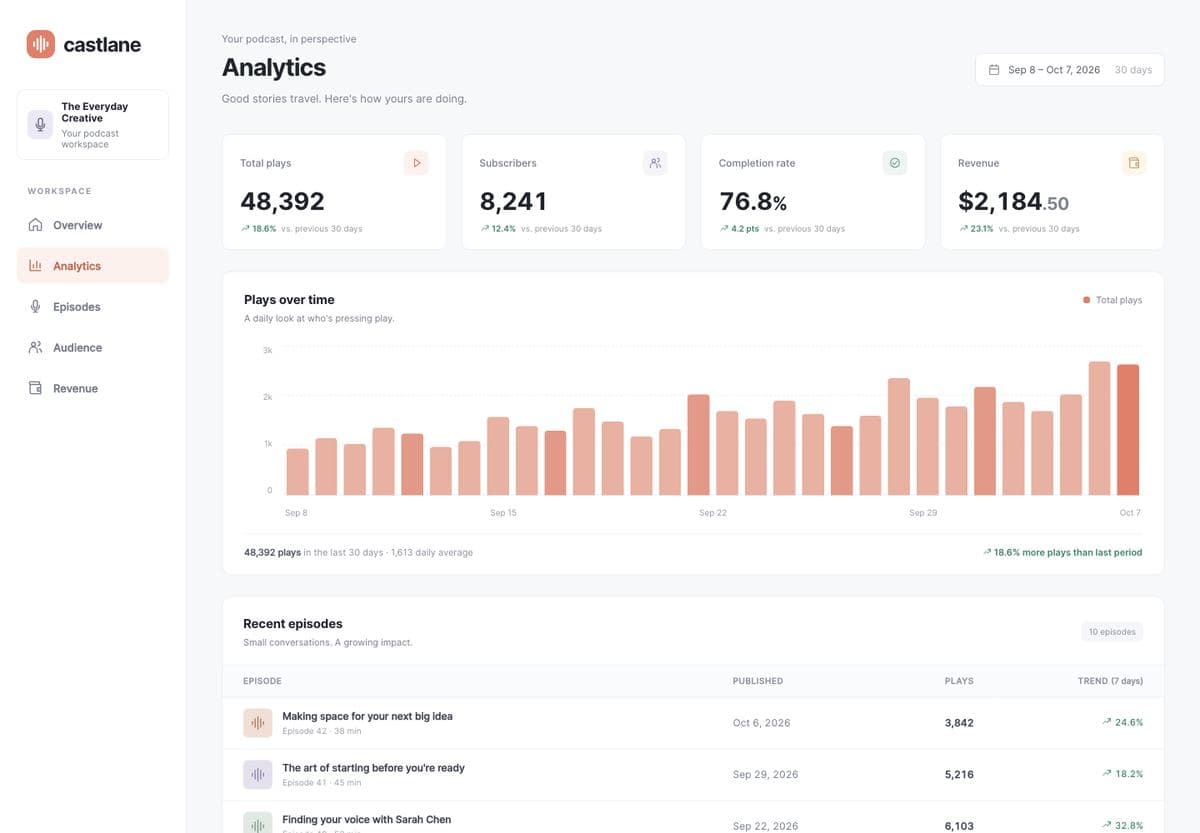
DashboardGPT-6.1 Sol · 68.8 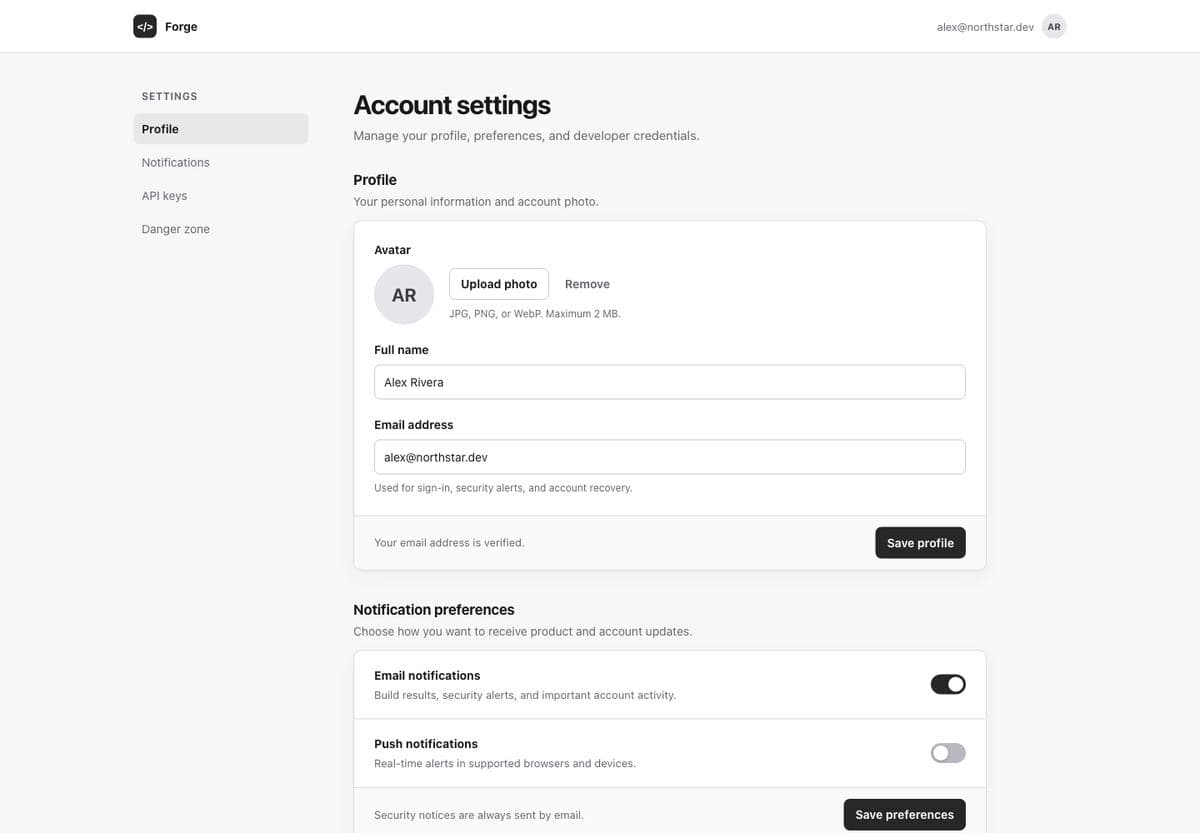
SettingsGPT-5.6 Sol · 52.7 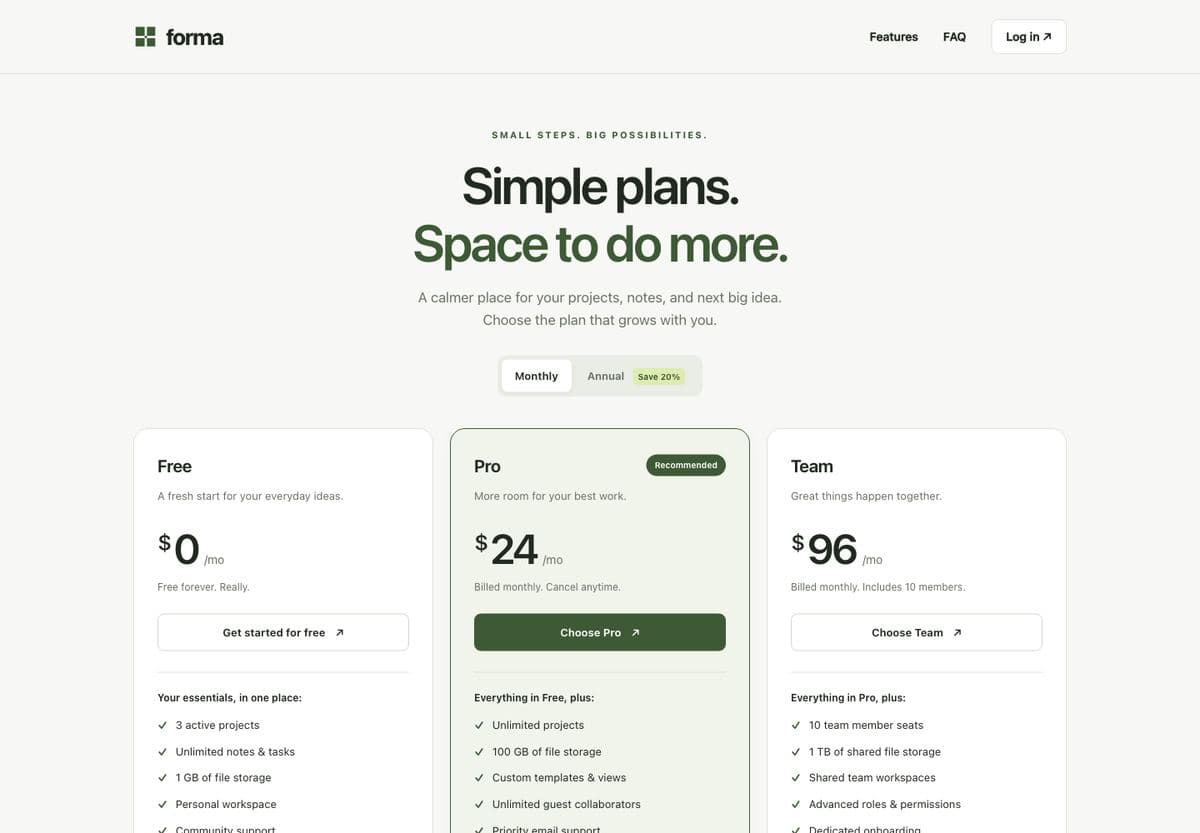
PricingGPT-6.1 Sol · 61.6 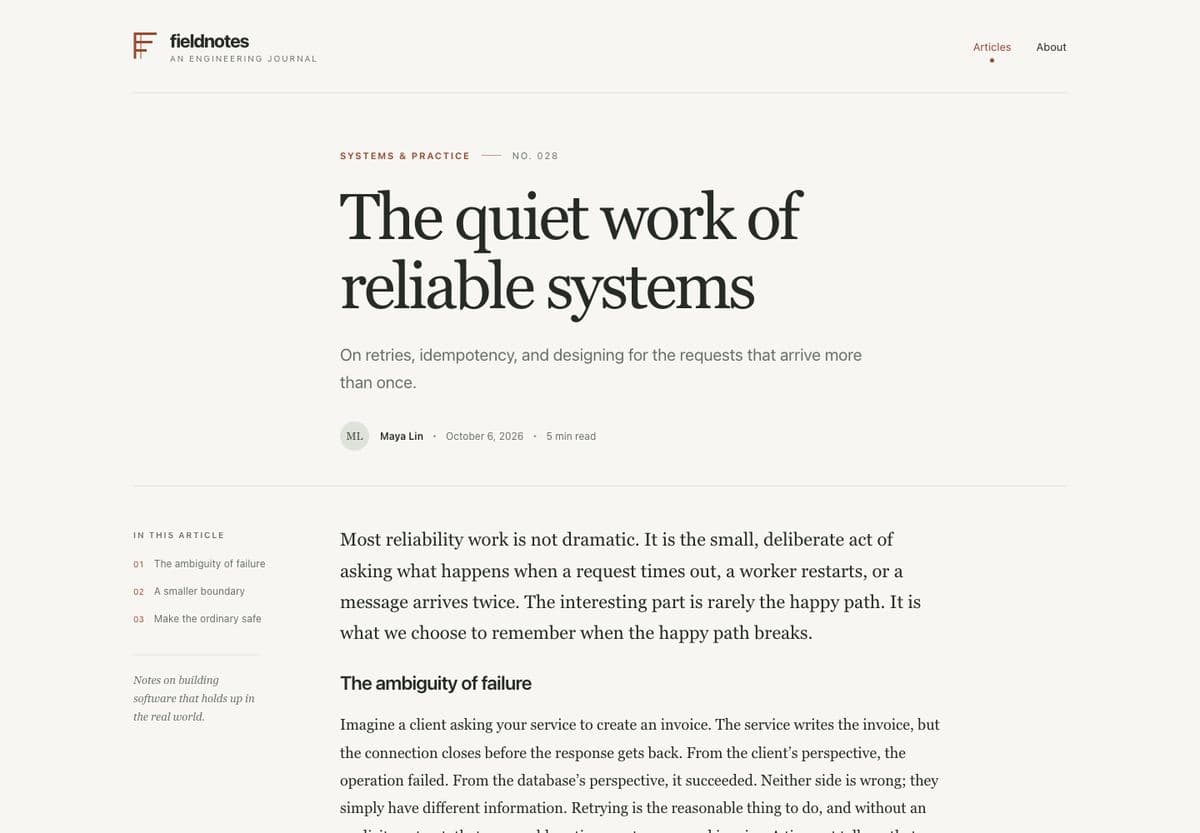
ArticleGPT-6.1 Sol · 78.6
Method
Everything the number depends on, stated once.
What is the Rams Index?
A leaderboard of how well models design interfaces. Each model builds the same pages from the same written briefs. Rams renders every page at 1440 and 390 px and grades it on seven dimensions a designer would look at. The Index is the sum of those grades, rescaled to 0–100.
Why the grade sum and not one overall score?
Seven separate grades repeat better than a single verdict. On real webpages the grade sum separates design-led, typical and rough sites more clearly than our finding-based visual score, and two passes on the same page agree more often. The visual score is still shown, as a secondary column.
How is rank decided?
Rank is 1 plus the number of models that are clearly better. Clearly better means the paired 95% interval on the difference sits above zero. Models whose difference sits inside the noise share a rank, so a tie is a finding, not an omission.
Does a Claude judge favor Claude models?
We run the same pages through GPT-5.6 Terra as a second judge and print it beside the score. No sign the Claude judge favors Claude models. The Claude judge puts the Claude-built models 4.7 Index points behind the OpenAI-built ones; Terra puts them 4.5 Index points behind, on the same scale. The difference is -0.2 points (95% interval -3.7 to +3.6), so a lean of up to 3.7 points either way is not ruled out yet. The Judges section shows each model's order under both. OpenAI Decisions (planned, v4) is the third judge from v4.
Who checks the judge?
Designers. This is season 0, published before their read: working designers rank the same pages blind, and the read rule was fixed before any of their answers were opened. Until that read (2026-11-06), this is the judge's opinion: stable and repeatable, not yet validated by designers.
What is private?
The brief texts of the season-1 set and the judge prompt. The method, the scores, the intervals and the sample pages are public. Five public briefs run alongside the private ones as anchors, so a model that overfits the public set shows up as a gap.
The full method, with every known weakness: How Rams measures design

Frameworks